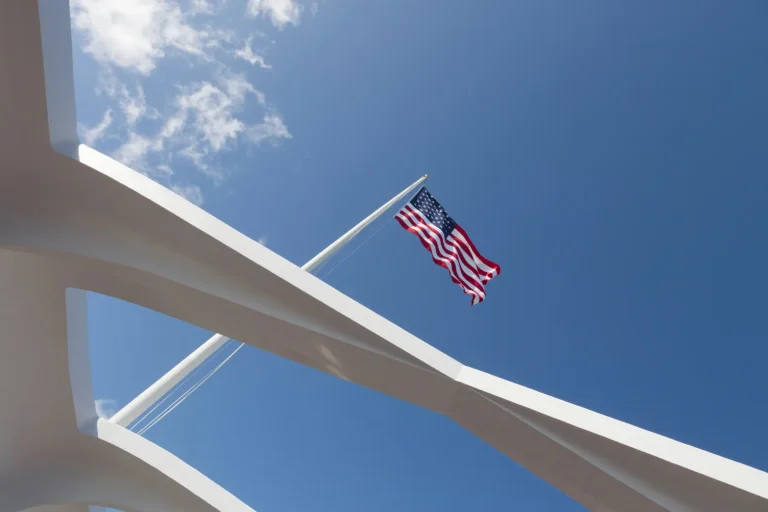
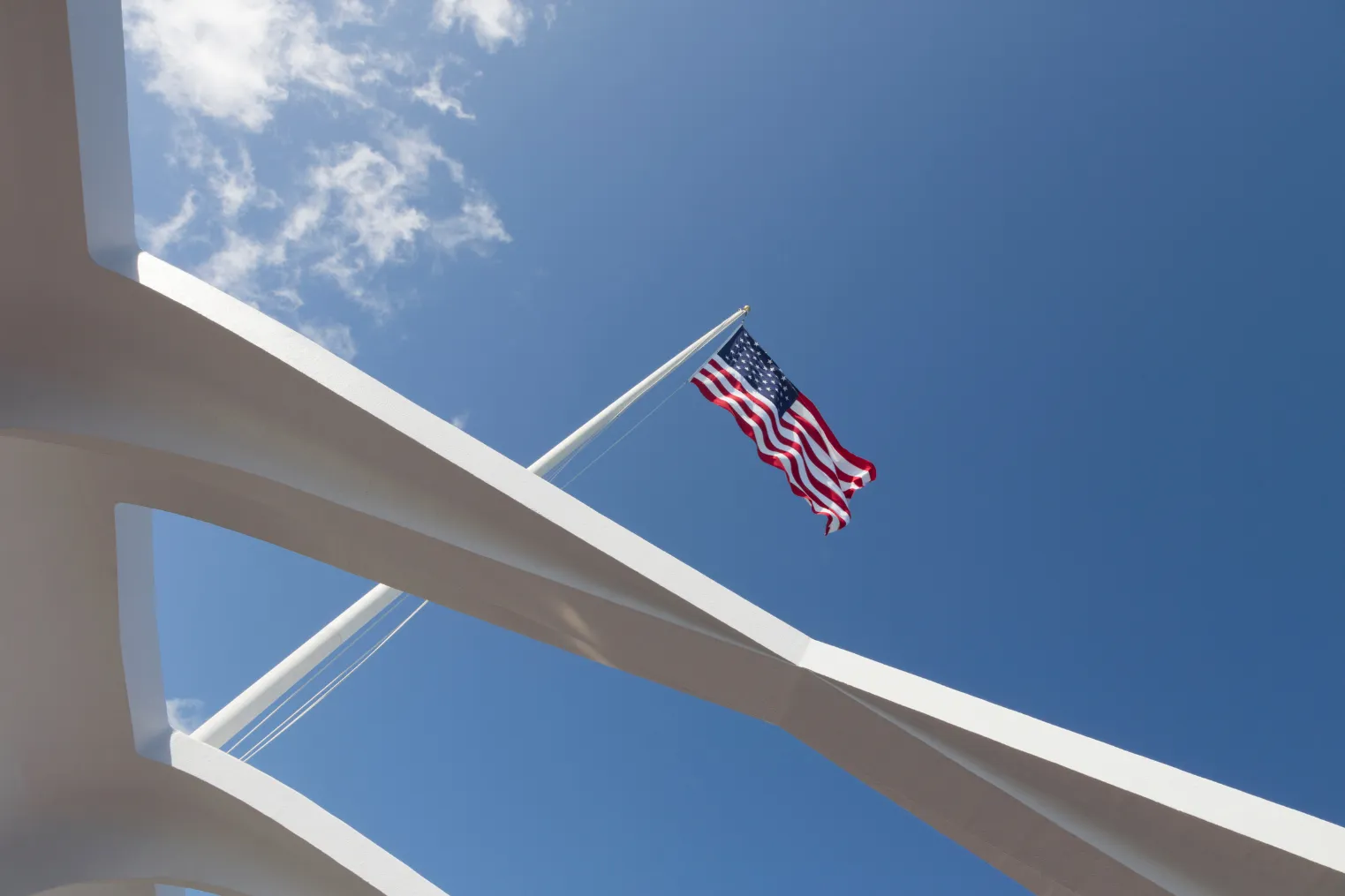
If you’re worried the USS Arizona Memorial tour will eat up your whole day, it won’t. You’ll spend about 75 minutes total, starting with a short documentary and briefing, then a Navy shuttle boat ride across the harbor, where the water slaps the hull and the mood shifts fast. On the memorial, you get quiet time to look into the shrine room and out over the sunken battleship. The part most visitors don’t expect comes next.
Key Takeaways
- The scheduled USS Arizona Memorial program lasts about 75 minutes, but most visitors spend 2 to 3 hours total at Pearl Harbor.
- The visit usually includes a 23 to 25 minute documentary, ranger briefing, and a Navy shuttle boat ride to the memorial.
- Time on the memorial is typically 10 to 30 minutes, with quiet reflection areas and views above the sunken battleship.
- Programs run every 15 minutes from 8:00 a.m. to 3:30 p.m., except for a lunch break from noon to 1:00 p.m.
- Timed tickets are limited and should be reserved in advance; expect security screening and a strict no-bags policy.
How Long Is the USS Arizona Tour?
Plan on about 75 minutes for the scheduled USS Arizona Memorial program, and it moves at a steady, thoughtful pace. You’ll watch a 23 to 25 minute documentary film, board a Navy shuttle boat, and spend time at the USS Arizona Memorial itself. The tour duration feels efficient, not rushed.
Your on-memorial visit usually lasts about 10 to 30 minutes, depending on timing and conditions. That gives you enough time to look across the harbor and step into the memory/shrine room. The boat ride is short too, about 10 minutes roundtrip, so you won’t be at sea long. Still, many visitors give themselves 2 to 3 hours at the Pearl Harbor Visitor Center and visitor center overall. Lines, exhibits, weather, and reservations can shape your schedule, so plan ahead a bit. If you don’t have a reservation, the standby line may be an option depending on availability that day.
Where Does the Arizona Memorial Tour Start?
At the Pearl Harbor Visitor Center, the USS Arizona Memorial tour begins before you ever step on a boat. You check in, handle baggage rules, and can explore the Road to War and Attack galleries while you wait. Then you head into the Visitor Center theater for a 23-minute film and a National Park Ranger introduction.
- Start at the Pearl Harbor Visitor Center and get oriented.
- Visit the galleries and take in the exhibits.
- Watch the program, then receive your Arizona Memorial boat ticket.
- Board the U.S. Navy shuttle boat at the dock.
That sequence matters because it prepares you for what you’ll see. Accessibility help is arranged here too. Since spaces are limited each day, it’s smart to reserve tickets in advance. Reservations for the memorial are strongly recommended, with only a $1 non-refundable fee through Recreation.gov. Then you’re ready to go.
How Do USS Arizona Tickets Work?
You’ll want to sort out your USS Arizona tickets early, because scheduled tours usually include them while self-paced visits require a separate Navy boat reservation. Your program pairs a 23-minute film with a quick shuttle ride across the harbor and time at the memorial, but limited capacity and shifting weather can turn late plans into a long standby wait. Book as far ahead as you can, check for next-day releases, and show up bag-free unless you don’t mind one last stop at storage. If you need help with the process, a step-by-step booking guide can make it easier to understand your reservation options.
Advance Reservation Tips
Usually, the smartest move is to reserve your USS Arizona Memorial ticket before you go, because entry works on a timed Navy program and spots fill fast. If you’re visiting on your own, advance reservations for Navy boat tickets matter because ticket availability changes with daily visitor limits and the 150-person timed program. USS Arizona Memorial tickets are typically required for the boat program, even though the memorial itself does not charge an admission fee.
- Book up to two months ahead when you can.
- Check next-day releases at 7:00 a.m. Hawaii Time online.
- Try the Visitor Center if online slots disappear.
- Pack light, because bags aren’t allowed on boats or at the Memorial.
Your ticket sets a specific entry time, not open wandering access. Also, stay flexible. The Navy can pause boats for maintenance or rough weather, so even reserved spots aren’t a magic shield against cancellations on some days.
Scheduled Vs Self-Paced
Once you’ve sorted out reservations, the next question is what kind of visit those tickets actually give you. With scheduled tours, your USS Arizona Memorial program runs in a set order. You watch the 23-minute documentary, hear a ranger talk, then board the Navy shuttle with about 150 people for memorial access.
If you choose self-paced visits, you move on your own timeline, but you still need a separate boat ticket. Unlike scheduled tours, self-paced visits may skip the ranger talk and don’t guarantee synchronized program times. That flexibility can be nice if you want extra time in the exhibits, which often makes the whole stop 2 to 3 hours. Just remember that boat operations can pause for weather, maintenance, or crowd limits, so waits and standby lines happen more often. It helps to understand USS Arizona tickets before you arrive, since memorial access depends on having the right reservation or boat pass for your chosen visit style.
What Happens Before the Boat Ride?
You start at the Pearl Harbor Visitor Center, where you check in, go through security, stash any bags in a locker, and get ready to board. Before your boat time, you can watch the 23-minute ranger-led film and walk through galleries filled with artifacts, old footage, and displays that bring December 7, 1941 into sharp focus. Then a National Park Ranger gives you quick boarding and Memorial guidelines, and soon you’re heading from the dock onto the Navy shuttle boat for the short ride out. The Pearl Harbor National Memorial museums and grounds are free, and program reservations are recommended.
Visitor Center Check-In
The visit starts at the Pearl Harbor Visitor Center, where a quick security check sets the tone and reminds you to travel light. At the security checkpoint, bags aren’t allowed, so use the lockers by the entrance and keep essentials in your pockets. This security screening helps keep entry moving smoothly and safely for all visitors. Then your check-in unfolds in a clear rhythm:
- Confirm your reservation and receive your shuttle boat ticket.
- Listen for guidance from a National Park Ranger.
- Note where the waiting area, benches, and ADA access are located.
- Take a quick look toward the exhibit galleries so you know what’s nearby.
You’ll also see signs for the documentary film theater, which helps orient the flow of your visit without slowing it down. The whole process feels organized, calm, and quietly purposeful. Even the line moves with military efficiency, thankfully.
Galleries And Documentary
Inside, the story sharpens before the boat ever leaves the dock. You start in the Road to War and Attack galleries, where authentic artifacts, archival footage, and stark photos pull you into December 7, 1941. The rooms feel focused and quiet. Metal, glass, and old images do the heavy lifting.
Next, a National Park Ranger or staff member sets the stage for the 23-minute documentary film. It’s fully captioned, with closed captions and an induction loop available, so more visitors can follow every word and sound. The film gives your boat ride real weight. You see the attack’s human cost and why the USS Arizona remains a final resting place.
Reservations for the USS Arizona Memorial are strongly encouraged and must be booked through the National Park Service.
You’ll also find tactile and Braille resources at the Visitor Center. History arrives before the harbor breeze does.
Ranger Briefing And Boarding
Once the film ends, the visit shifts from reflection to simple, orderly motion. At the Pearl Harbor Visitor Center, a National Park Ranger gives a quick reset after the documentary. You’ll hear the site’s ground rules, the no-bags policy, and what respectful conduct looks like before anyone moves toward the dock. The USS Arizona Memorial Program runs every 15 minutes from 8:00 am to 3:30 pm, with a lunch break between 12:00 noon and 1:00 pm.
- You gather in the theater or pre-boarding area.
- Rangers explain safety and wheelchair accessibility, including locks on Navy shuttle boats.
- Your scheduled group is arranged by boarding order.
- You’re escorted to the U.S. Navy shuttle boats.
Capacity stays around 150 people per program, so the process feels calm, not chaotic. You’ll board carefully and stay seated unless crew instructions say otherwise. If weather or Navy operations interrupt service, rangers explain standby, rescheduling, or refunds before boarding.
What Is the Documentary Like?
Step into the theater and the mood shifts fast. At the Arizona Memorial Visitor Center, the documentary pulls you out of vacation mode and into December 7, 1941. You watch archival footage, authentic artifacts, and survivor interviews that make the attack feel immediate, human, and heartbreakingly real. It’s about 23 minutes, though some itineraries round it to 25.
The film is fully captioned, and the Visitor Center also offers support for visually and hearing impaired guests, including induction loops and tactile or Braille resources. You can expect a solemn tone, not a history class with popcorn. It prepares you to reflect before a National Park Ranger speaks and you continue toward the memorial by Navy shuttle boat. If weather or operations shift, screening times can change too that day. Before boarding for the memorial, the Pearl Harbor film and exhibits help set expectations for the experience ahead.
How Does the Arizona Shuttle Work?
After the film and ranger intro, you’ll head for the U.S. Navy shuttle at the Pearl Harbor Visitor Center. A shuttle boat carries you about one mile to the USS Arizona Memorial, then brings you back on the same boat ride. The on-water part is brief, roughly 10 minutes roundtrip, but it’s tightly organized.
- You’ll line up for quick loading disembarkation procedures.
- Multiple boats may run at once to keep tours moving.
- You’ll disembark in the order boats arrived, which keeps traffic calm.
- Boats and access points are ADA-compliant, with wheelchair locks and ramps.
If seas turn rough or maintenance pops up, the Navy shuttle may pause or reduce capacity. That’s why advance tickets are a smart move. Even the short crossing feels purposeful, salty, and wonderfully precise. You can also check the Calendar of Events before your visit for schedule changes, programs, or closures.
What Will You See at the Memorial?
You’ll start with a quick ranger talk and a 23-minute film, then board the Navy shuttle to the white memorial floating above the USS Arizona. Inside, you’ll move from the flag-lined entrance to the quiet open room where you can look down at the wreck and sometimes spot the ship’s eerie black tears rising to the surface. At the back, the Shrine Room brings everything into focus with a marble wall etched with 1,177 names, while the harbor views remind you this is still a final resting place, not just a photo stop. This Pearl Harbor tour experience is designed to highlight both the history of the attack and the solemn atmosphere of the memorial.
Memorial Rooms And Features
As the boat docks and the memorial comes into view, you move through a set of spaces that guide both your eyes and your mood. At the USS Arizona Memorial, the memorial entry room introduces the experience with state and ship flags, plus the USS Utah flag. It also hosts the ranger talk and documentary after you leave the visitor center. Before boarding, many visitors start at the Pearl Harbor Visitor Center, where admission to the center itself is free.
- In the open reflection room, light, wind, and harbor sounds sharpen your focus.
- Looking down, you may spot the Black Tears rising quietly.
- The Shrine Room, sometimes called the Shine Room, centers everything with 1,177 engraved names.
- Near it, the Assembly Room and benches give you room to pause.
The structure never touches the hull, and its harbor views echo what sailors saw on December 7, 1941.
Views Of The Wreck
From the open reflection room, the memorial turns your attention straight to the wreck itself. At the USS Arizona Memorial, you look down through calm water and see the sunken hull resting below the surface. The blackened steel feels close, almost unreal, and you may spot the Black Tears of the Arizona rising in tiny oil droplets.
Because the structure doesn’t touch the ship, the viewing platform seems to float above history. You can trace the wreck beneath the waterline and look across Battleship Row at nearly the same scene sailors saw on December 7, 1941. Near the rear, you can also glimpse the Shrine Room from the memorial platform, but it’s the wreck that holds your gaze. Even the harbor sounds seem quieter here, as if everyone instinctively lowers their volume. This quiet atmosphere reflects the memorial etiquette visitors are expected to follow throughout the site.
Shrine Room Tribute
Reverence settles in when you reach the Shrine Room at the rear of the memorial. Here, you face a marble wall etched with 1,177 names, each one a life lost on December 7, 1941. The room feels still, cool, and close, inviting quiet respectful conduct as you pause.
- You see the Shrine Room as an honor space, not just a stop on the tour.
- You realize it serves as a final resting place for many still with their shipmates.
- You notice how memorial observances fit naturally here, where reflection comes easily.
- You understand why voices drop without anyone needing to say much.
After the flags room and open area, this enclosed chamber brings everything into focus. It’s solemn, direct, and unforgettable. Even restless kids usually whisper here. For travelers deciding between a guided tour and exploring on their own, this is often the moment that makes the visit feel most meaningful either way.
Is the Arizona Memorial Accessible?
Good news for a wide range of visitors: the USS Arizona Memorial and the Pearl Harbor Visitor Center are ADA-compliant, so you can move through the experience with fewer barriers. You’ll find wheelchair access to restrooms, theaters, exhibits, the bookstore, Navy shuttle boats, and the memorial itself. On the boat, wheelchair locks secure mobility devices during the roughly 10-minute roundtrip ride.
You’ll also find thoughtful tools that make the visit easier to follow and feel. The theater offers a fully captioned 23-minute documentary, plus an induction loop for hearing aids. Braille tactile materials help you explore key details by touch. A Braille-ready file of the park brochure is also available for download before your visit. Motorized mobility devices are allowed throughout, but wheelchairs aren’t rented onsite, so bring your own. If you’re visiting with a little one, use a baby carrier instead of a stroller.
When Does the Arizona Memorial Close?
Accessibility helps you plan the visit, but timing matters just as much because the USS Arizona Memorial doesn’t stay open on a simple all-day schedule. Your visitor access depends on timed programs, daily capacity, and whether boat operations can run safely. Even with posted hours, closure can happen fast from weather conditions, maintenance, or Navy restrictions.
- Programs cap at about 150 people, so sold-out times can make the USS Arizona Memorial feel closed.
- Rough water or storms may suspend boat operations without much warning.
- Dock work, anchor repairs, or other maintenance can limit visitor access or stop visits entirely.
- U.S. Navy operational needs can override public schedules, so advance tickets and status checks matter.
The Pearl Harbor Visitor Center is open daily from 7:00 am to 5:00 pm, but boat programs run throughout the day and may be cancelled or modified at the Navy’s discretion.
Check updates before you go. Book the earliest available slot. It gives you the best shot.
How Much Time Should You Spend at Pearl Harbor?
If you’re only here for the USS Arizona Memorial, plan on about 75 minutes for the program itself. That covers the film, Navy boat ride, and your quiet time on the memorial. To visit the USS Arizona without rushing, give yourself 2 to 3 hours total at Pearl Harbor National. That lets you move through the Visitor Center, pause at exhibits, and handle security lines or queue delays.
Some Pearl Harbor sites are walk-in only, while others require advance reservations, so check what needs booking before you go. Pairing it with the Battleship Missouri or the Bowfin Submarine Museum can turn the day into 4 to 7 hours or more. Add about an hour each way from Waikiki. Reserve USS Arizona tickets early, or arrive at opening, because limited capacity and standby waits can eat time fast. Like sunscreen, extra time helps.
What Can You See After the Memorial?
Once you’ve had that quiet moment over the wreck, Pearl Harbor keeps unfolding around you. You can stroll back to the Pearl Harbor Visitor Center and explore the visitor center exhibits, including the Road to War gallery and Attack gallery, where artifacts and archival footage sharpen what you just felt.
Back at the visitor center, the Road to War and Attack galleries deepen the emotion with artifacts, footage, and hard context.
- Step into history at the USS Bowfin Submarine Museum and compare life below the surface.
- Look across the harbor to the Battleship Missouri, visible from the memorial area and rich with surrender history.
- Browse outdoor displays and the bookstore for WWII titles, keepsakes, and a quick breather.
- Continue to the Pacific Aviation Museum for another angle on the Pacific war story.
The USS Bowfin stop adds a closer look at submarine history through museum exhibits and the chance to explore the vessel itself. If you add even one stop after the memorial, you’ll usually spend about two to three hours total on-site.
Should You Book a Full Pearl Harbor Tour?
Why book the full Pearl Harbor tour instead of piecing the day together yourself? You save time, skip guesswork, and lock in your USS Arizona boat ticket before slots disappear. Most full Pearl Harbor tour options run 6 to 8 hours, include Waikiki hotel pickup, and cover the Pearl Harbor Visitor Center, the film, the Navy ride, and the USS Arizona Memorial. You’ll usually also stop at the Battleship Missouri or USS Bowfin, with a food break built in.
If you only want the memorial, the on-site program takes about 75 minutes. That works, but you’ll miss guided narration, city sights, and easy transfers. Best Pearl Harbor tours can also be matched to different schedules and budgets, making it easier to choose the right package for your day. Also, Navy boat operations can pause for rough conditions, so flexible cancellation matters. If your tour duration fits your day, a package keeps logistics smooth and your patience intact.
Frequently Asked Questions
Can You Bring Bags or Luggage to the USS Arizona Memorial?
No, you can’t bring bags or luggage. Bag restrictions and security screening enforce a strict backpack policy; prohibited items require luggage storage. Check locker availability for small items, and note permit requirements don’t override these rules.
What Should You Wear for the USS Arizona Memorial Visit?
You’ll want Modest attire in Respectful colors, because beachwear obviously screams solemn remembrance. Choose Lightweight layers, Comfortable shoes, and Closed toe footwear. Bring Sun protection, and pack a Rain jacket, so you’ll stay comfortable, covered, and respectful.
Are Food and Drinks Allowed on the Memorial Shuttle Boat?
No, you can’t bring food or drinks onto the memorial shuttle boat due to food restrictions; beverage containers and coolers prohibited. You may carry water bottles in visitor areas. Follow snack etiquette, alcohol policy, and trash disposal rules.
Can You Take Photos or Videos at the USS Arizona Memorial?
Yes, you can, but there’s a catch: follow photography restrictions and memorial etiquette. Skip flash photography, respect historical signage and privacy concerns, obey drone prohibitions, and know media permits are required for commercial filming.
What Happens if Bad Weather Cancels the Boat Ride?
If bad weather cancels your boat ride, you’ll follow safety protocols during harbor closures, receive visitor notifications, enjoy alternate activities, and request weather refunds, tour rescheduling, or ticket exchanges through your operator or Pearl Harbor staff.
Conclusion
In the end, the USS Arizona Memorial tour is short enough to plan easily and powerful enough to stay with you. You’ll move from the dark theater to the Navy shuttle, then stand above still water where oil still rises. Good things come to those who plan, and timed tickets really help here. Give yourself extra time at Pearl Harbor, wear simple clothes, and stay flexible. The quiet on the memorial says more than any brochure ever could.