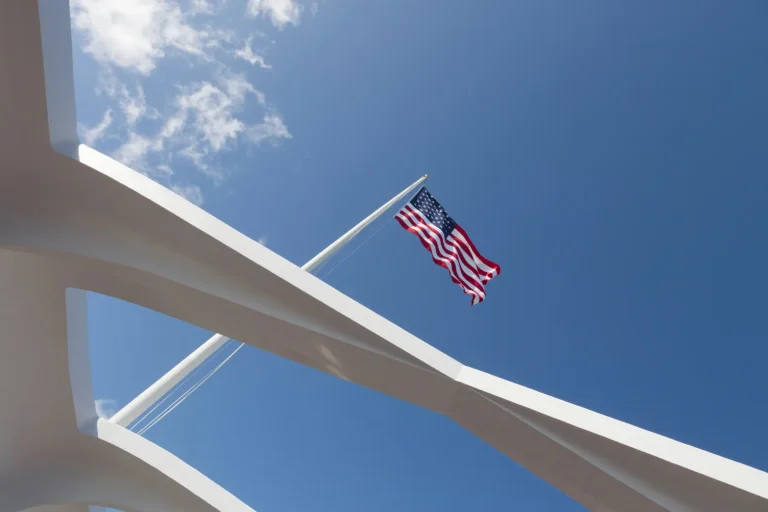
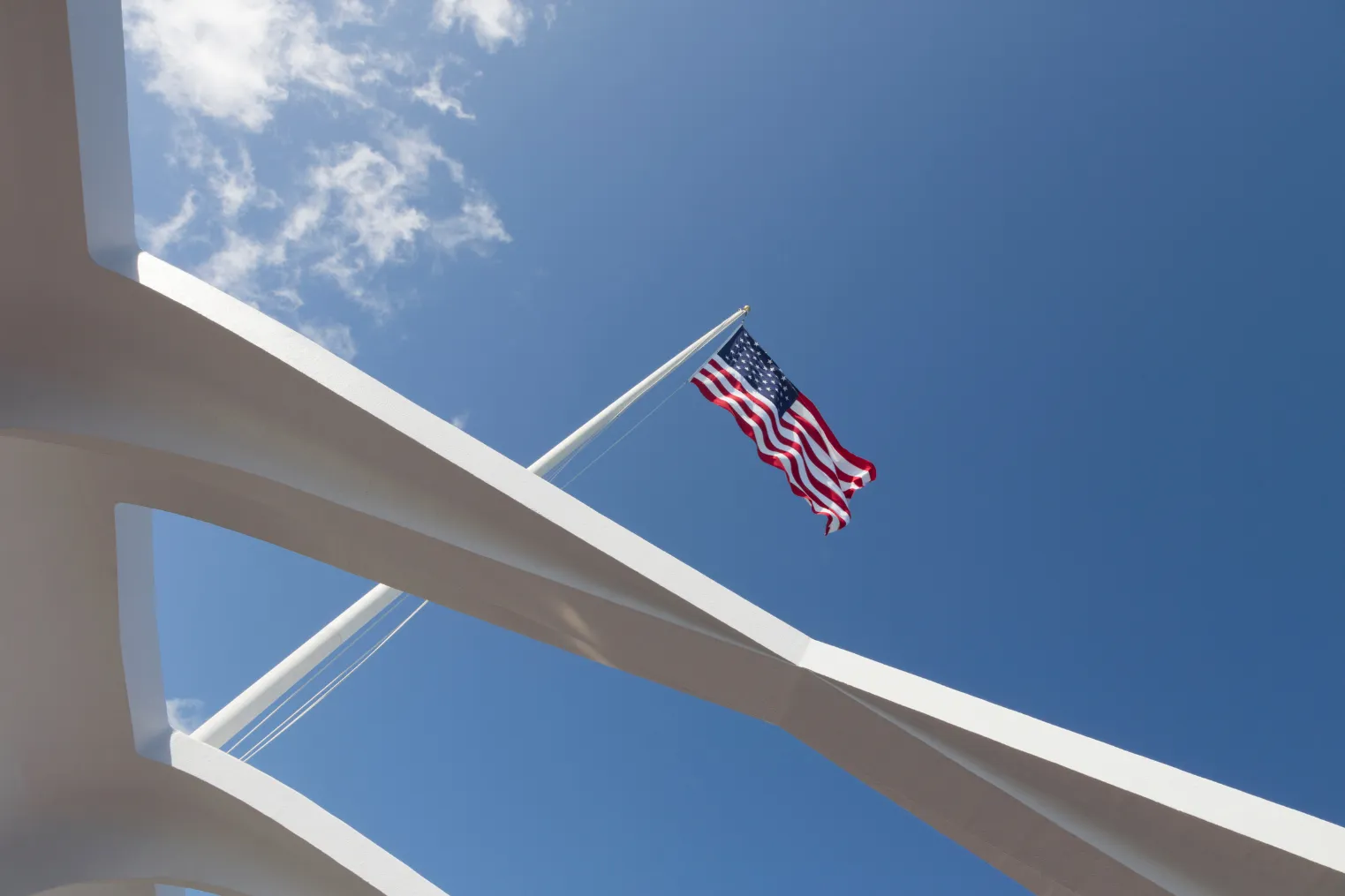
Choosing between USS Missouri and USS Arizona can feel almost impossible, like trying to pick the single most important page in America’s World War II story. You stand over Arizona’s quiet, oil-sheened tomb and feel the shock of the war’s first blow. Then you step onto Missouri’s broad teak deck and face the spot where surrender papers ended it. One site asks for silence. The other shows you closure. Which one stays with you longer depends on what kind of history hits hardest.
Key Takeaways
- USS Arizona matters most for memorial significance, marking America’s entry into World War II and honoring 1,177 sailors and Marines lost.
- USS Missouri matters most for historical closure, hosting Japan’s formal surrender and symbolizing victory, peace, and the war’s legal end.
- Arizona delivers the stronger emotional impact, with its submerged wreck, shrine wall, and visible “black tears” creating a sacred atmosphere of loss.
- Missouri offers the broader hands-on history experience, letting visitors walk the decks, tour wartime spaces, and stand on the surrender deck.
- Together they matter most as a pair, framing the Pacific war from Pearl Harbor’s opening devastation to its final surrender.
USS Arizona vs USS Missouri: Quick Answer
If you want the quick answer, USS Arizona and USS Missouri tell two ends of the same World War II story. When you visit Pearl Harbor, you feel that contrast fast. USS Arizona marks the attack’s devastating opening on December 7, 1941. USS Missouri marks the formal ending on September 2, 1945, when Japan surrendered in Tokyo Bay.
You experience USS Arizona as a place of remembrance. The memorial floats above the submerged battleship, where 1,177 crewmen died and still rest. The water below often shimmers with oil, quiet and haunting. Visiting the memorial usually involves a ranger-led program and a 23-minute documentary before the boat ride to the site. Missouri feels different. You can walk her decks, hear your shoes hit steel, and stand where history turned. Together, they frame the war’s arc in a way few sites can. Seeing both makes Pearl Harbor feel complete for most visitors today.
USS Arizona vs USS Missouri at a Glance
At a glance, you can spot a sharp contrast in historical role: Arizona marks the shock of December 7, 1941, while Missouri carries the teak deck where Japan signed the surrender on September 2, 1945. You also feel the visitor experience change fast, because you reach Arizona by shuttle boat and stand above a sunken hull, then step onto Missouri to walk preserved wartime spaces and the famous surrender site. Together, they show you two symbolic meanings in one harbor: loss and remembrance on one side, victory and reconciliation on the other. Many visitors choose a USS Missouri tour route that highlights the surrender deck along with key preserved areas of the battleship.
Historical Role
While both ships anchor Pearl Harbor’s story, they carry very different weight in American memory. When you look at USS Arizona, you face the shock of December 7, 1941. She was sunk in the attack, and 1,177 crewmen died aboard. That wreck became a burial place and the emotional center of Pearl Harbor.
When you turn to the Battleship USS Missouri, you step into the war’s last chapter. On September 2, 1945, Japan formally surrendered on her surrender deck, ending World War II in legal fact, not just feeling. Today, a visit to Missouri often includes access to the surrender deck, where that history becomes tangible in person. Arizona stands for sacrifice and the moment America was pulled into war. Missouri stands for victory, reconciliation, and closure. Together, they frame the conflict from opening blow to final signature. That contrast is what makes their historical roles impossible to separate.
Visitor Experience
Often, the biggest difference between USS Arizona and USS Missouri shows up in how you experience them with your own senses. At the USS Arizona Memorial, you start at the visitor center, join a ranger-led 23-minute program, then board a boat. You don’t step onto the battleship itself. Instead, you stand above it in a quiet white structure and feel the stillness. You typically need USS Arizona tickets to visit the memorial, even though the experience itself remains focused on reflection rather than exploration.
On USS Missouri, you climb aboard and roam. You can walk the deck, peer into gun turrets, pass through crew quarters, and visit the bridge. Guided tours add detail, but self-guided time lets you linger. Multimedia exhibits help too. Logistics shape the day. Arizona runs on shuttle timing and presentations, while Missouri gives you direct access and a longer, more flexible visit, plus room to wander at your own pace.
Still comparing Pearl Harbor?
Ask for tour ideas, hotel suggestions, or a simple trip plan that combines both.
Trip Helper
Symbolic Meaning
If you want the clearest possible contrast, USS Arizona and USS Missouri stand for two different bookends of World War II. You feel that difference right away. Arizona asks for silence and remembrance above a sunken grave. The USS Missouri Memorial feels more like history you can walk through, ending at the surrender deck where peace became official. Because the memorial uses a standby line system, visiting Arizona can also feel more reflective and uncertain, shaped by availability on the day.
| Arizona | Missouri |
|---|---|
| Pearl Harbor shrine | Historic battleship |
| Entry into war | End of war |
| Sacred cemetery | Living museum |
| Loss and sacrifice | Reconciliation and peace |
Together, they give you the war’s full arc. One marks 1,177 lives lost in a surprise attack. The other shows the legal finish on September 2, 1945. Visit both, and you don’t just learn dates. You feel the story.
What Happened on the USS Arizona?
When Japanese bombs struck Pearl Harbor on December 7, 1941, the USS Arizona took devastating hits that ignited her forward magazines and tore the battleship apart in a massive explosion. In moments, you see why the attack became unforgettable. The blast sank the ship and killed 1,177 sailors and Marines, nearly half of all Americans killed that day.
If you plan to visit, getting Arizona Memorial tickets in advance can help you secure access to this powerful site. Today, much of Arizona’s hull still rests below the harbor. Oil still slips to the surface in dark beads, often called black tears. If you visit the Arizona Memorial, you’re standing above that wreck and the crew’s resting place. Nearby exhibits preserve recovered artifacts and personal items, so you can connect faces to the loss. Each December 7, ceremonies mark the attack and remind you how Arizona’s destruction pulled the United States fully into World War II.
Why the USS Arizona Memorial Is Sacred
When you step onto the USS Arizona Memorial, you’re standing above the ship’s final resting place, where most of the 1,177 sailors and Marines still remain. You can see the wreck beneath the water, spot the names etched in marble, and feel why this isn’t just a stop on a tour. It’s a site of remembrance that asks you to lower your voice, look closer, and remember the human cost of Pearl Harbor. Because USS Arizona Memorial programs run throughout the day, visitors have multiple chances to experience this place of remembrance with the respect it deserves.
Final Resting Place
At Pearl Harbor, the USS Arizona Memorial feels less like a museum stop and more like sacred ground. You don’t stand on the deck of the USS Arizona. Instead, you float above her, where 1,177 sailors and Marines still rest inside the sunken hull. That fact changes your whole sense of place.
The white memorial, dedicated in 1962, spans the wreck without touching it. Below, oil still rises in quiet black tears. Before you board the boat, you watch a 23-minute film, then enter a space shaped by silence, names carved in marble, and strict respect. Since visits depend on USS Arizona Memorial reservations, planning ahead is part of how many travelers prepare for this experience. The National Park Service manages the site, but its meaning reaches further. Veterans, families, and Native Hawaiian communities treat it as a war grave. Even conservation work, from tracking corrosion to containing oil, serves that sacred duty today.
Site Of Remembrance
Beyond the harbor traffic and tour schedules, the USS Arizona Memorial feels sacred because it asks you to remember, not just observe. You arrive by boat from the visitor center, after ranger talks and audio set the scene with calm, human detail.
Then the Arizona Memorial places you above the sunken Battleship itself, where 1,177 crewmen still rest. This isn’t a restored attraction with polished steel and big-gun swagger. It’s a National Historic Landmark built for mourning, ceremonies, and wreath-laying. You look down at the water and see the ship’s oil still rising, the so-called tears of the Arizona. That small shimmer says more than any display case could. The design keeps your focus on loss, duty, and silence. Even the harbor sounds seem to lower their voices here for a moment. The National Park Service encourages visitors to review trip planning FAQs and current alerts before arriving, underscoring that this place is approached with care as well as reverence.
What Happened on the USS Missouri?
Standing on USS Missouri’s teak deck, you’re on the exact spot where World War II came to its formal close. On September 2, 1945, Japanese officials signed the surrender papers here on the stern surrender deck. Today, markers and exhibits help you picture the scene without much imagination doing overtime.
Before that famous morning, Mighty Mo had already earned her reputation. Commissioned in June 1944, this Iowa-class battleship hurled nine 16-inch guns in Pacific bombardments at Iwo Jima and Okinawa. She stretched 887 feet long and weighed about 58,000 tons fully loaded, so everything about her feels oversized. General admission also includes a free 35-minute guided tour that walks visitors through the ship’s main historical stops. After later service in Korea and several retirements, she became a museum ship in 1999. Now, when you walk her decks at Pearl Harbor, history feels close, solid, and surprisingly immediate.
Why the USS Missouri Marks WWII’s End
Because the war didn’t truly end with the last shot, the USS Missouri matters for what happened on her deck on September 2, 1945. You’re looking at the place where Japan signed the Instrument of Surrender in Tokyo Bay, turning victory into official peace.
| Why it matters | What you see |
|---|---|
| Legal end of WWII | The surrender deck |
| Global event | Space for 11 Allied nations |
That ceremony was broadcast worldwide, so Missouri became the stage for the war’s final act. Commissioned in 1944, she also showed America’s late-war naval strength. Today, a Battleship Missouri Tour lets you stand where history became law. Visitors often pair it with Pearl Harbor upgrades such as the Bowfin submarine and Aviation Museum for a broader WWII experience. At Pearl Harbor, near the Arizona memorial, you can trace the war’s bookends in one harbor. Steel, teak, salt air, and quiet views do the talking.
Which Ship Feels More Emotional?
If Missouri gives you the war’s final signature, Arizona gives you its deepest ache. When you stand above the USS Arizona, you don’t just learn history. You feel it settle in your chest. The wreck below still holds 1,102 sailors and Marines, and the oil on the water makes the silence feel heavier. Reading the names on the shrine wall turns loss into something painfully human. At the memorial, following respectful conduct helps preserve the quiet, reflective atmosphere that makes the experience so moving.
Which Ship Tells the Fuller History?
If you want the fuller history, you can’t ignore how Arizona marks the war’s violent beginning while Missouri carries you to its formal end on the surrender deck in Tokyo Bay. You feel Arizona’s human cost in the quiet above the sunken hull, where 1,177 sailors still rest, and that weight changes how you see every step of the visit. Then Missouri widens the frame with big-gun combat, Korea, the Cold War, and the practical walk from battle to peace, so together the two ships give you the clearest story. Compared with options like USS Bowfin, Missouri also stands out as a broader naval upgrade because it connects more eras and dimensions of the Pacific story.
Beginning And End
When you place USS Arizona and USS Missouri side by side, you can see the Pacific war open in fire and close with signatures on steel. On a Pearl Harbor Tour, Arizona anchors the story at December 7, 1941, when the attack pulled the United States fully into the Pacific fight. Missouri picks up that thread in Tokyo Bay on September 2, 1945, where Japan signed the surrender on her weathered deck.
If you ask which ship tells the fuller history, the answer is both. Arizona shows the shock that began everything. Missouri shows the legal finish and the turn toward peace. Visitors planning to see Arizona should remember that USS Arizona Memorial tickets are limited and reserved through Recreation.gov, even though Pearl Harbor National Memorial itself is free to visit. You move from still water and white memorial lines to broad teak planks and brass details. One ship asks you to look back at the opening blow. The other asks you to see how the war finally closed.
Human Cost Remembered
Memory hits hardest at the Arizona. You stand above the water and feel the attack on Pearl Harbor become personal. This memorial marks the resting place of 1,177 sailors and marines. Many remain entombed below. The silence, the white structure, and the oil sheen make loss feel immediate.
Yet Missouri adds another human layer. You don’t visit a grave there. You hear veterans’ voices, see worn ladders, and sense years of service, strain, and survival. If you’re limited on time, many visitors still prioritize the Arizona Memorial because it delivers the most immediate emotional connection.
- Arizona shows sudden death and national mourning.
- Missouri shows stories carried forward by crews and families.
- Together, they help you remember both grief and closure.
If you ask which ship tells the fuller human story, Arizona cuts deepest first. Missouri then helps you understand what those lives, and losses, ultimately meant to millions everywhere.
Scope Of The Story
Although Arizona often feels like the emotional center of Pearl Harbor, Missouri tells the wider sweep of the war. When you stand over Arizona’s sunken hull, you face the shock of December 7, 1941. The oil sheen, quiet water, and names on the memorial fix your attention on loss and America’s sudden entry into World War II.
Then you walk Missouri and the frame expands. Commissioned in 1944, she carries you to Tokyo Bay on September 2, 1945, where Japan formally surrendered on her deck. You see restored rooms, exhibits, and artifacts that explain combat, command, and the war’s legal ending. Arizona gives you sacrifice. Missouri gives you consequence, closure, and victory. For history buffs, pairing both ships creates the kind of deep-dive visit that reveals Pearl Harbor as both a site of attack and a place tied to the war’s final resolution. If you want the fuller history of Pearl Harbor and the Pacific war, you need both ships together there.
Which Pearl Harbor Site Should You See First?
Where should you start at Pearl Harbor: with quiet remembrance or with steel decks under your feet? Your answer depends on what you want to feel first. If you want the most solemn moment, begin at the USS Arizona Memorial. You’ll stand above the sunken battleship, hear the ranger-led story, and sense the stillness around 1,177 lost crewmen. At the Missouri, General Admission includes a 35-minute guided tour, with guided tour options offered in English, Japanese, Korean, and Chinese.
Start at the USS Arizona Memorial if you want Pearl Harbor to begin with stillness, remembrance, and its most solemn story.
- Choose Arizona first for reflection, ceremony, and the memorial’s emotional weight.
- Choose USS Missouri first if you want to walk the surrender deck, see giant guns, and explore restored quarters.
- Book early if Arizona matters most. Visits are brief, slots fill fast, and timing can shape your day.
If you want quiet meaning, start with Arizona. If you want steel, scale, and direct contact with history, start with Missouri.
Can You Visit USS Arizona and USS Missouri Together?
Yes, you can visit the USS Arizona Memorial and the USS Missouri together, and many Pearl Harbor tours bundle them into one day with timed entry and transportation. You’ll stand above Arizona’s quiet resting place and then walk Missouri’s Surrender Deck, which gives you the striking start-and-finish story of the Pacific war. Before you book, check the itinerary and clock, because some combo tours move fast and you don’t want to spend the day speed-walking through history. Many of these packages are sold as Passport to Pearl Harbor options, which can shape exactly what your visit includes.
Combined Visit Options
If you want to see both ships in one day, you can, and plenty of Pearl Harbor tours make it easy. Many combo options, often around USD130.00, pair the USS Arizona Memorial with the Battleship Missouri Memorial in one smooth itinerary. You get two vivid chapters of history in a single outing. Some packages are part of a broader Pearl Harbor and Honolulu city tour combo, which can add useful context beyond the memorials themselves.
- Expect most combined tours to run about 4 to 6 hours, sometimes with Waikiki pickup or extra stops.
- Read the fine print before you book. Some schedules move fast, and you might skip exhibits if time gets tight.
- Check reviews for pacing. If you want more than a quick overview, choose a tour that gives both ships enough breathing room.
That way, you can stand above USS Arizona’s resting place, then later walk Missouri’s surrender deck without feeling like you sprinted through history.
What Each Includes
Pairing these two landmarks lets you move from a quiet memorial to a battleship you can actually roam, all in one day. At Pearl Harbor, the USS Arizona visit centers on remembrance. You usually hear a ranger talk, then ride a short boat shuttle to the memorial above the sunken ship. From there, you look down at the wreck and the oil still rising. Keep in mind that USS Arizona reservations are strongly encouraged through the National Park Service, even though general admission is free.
The USS Missouri gives you the opposite feel. You board a restored battleship and walk its decks, crew quarters, and exhibits. You can stand on the surrender deck where World War II officially ended. Some packages add transportation from Waikiki and multimedia displays, while others keep things simple. Either way, you get one solemn site and one hands-on ship, which makes the contrast memorable and surprisingly vivid for most visitors.
Time And Logistics
Seeing both in one day is absolutely doable, and plenty of visitors do exactly that at Pearl Harbor. If you want One Day for both, plan ahead. The Arizona visit is shorter, with a boat shuttle, ranger talk, and quiet moments above the wreck. Missouri takes longer if you want the surrender deck and nearby exhibits.
- Book early if you can. Arizona shuttles run first come, first served, while many tours bundle timed rides and entry.
- Expect lines, screening, and boarding rules at both sites. Give yourself 2 to 4 hours for a meaningful visit.
- Check the itinerary closely. Fast tours can feel rushed and may skip the Bowfin or Ford Island Aviation Museum.
Do it well, and you’ll trade hurry for focus, not chaos or confusion.
How Much Time Do You Need for Both?
Usually, you’ll want at least 2 to 3 hours to visit both the USS Arizona Memorial and the USS Missouri, and half a day feels even better once you factor in lines, security, and getting around Pearl Harbor. If you want the USS Arizona program plus the Missouri without rushing, give yourself breathing room.
| Stop | Time |
|---|---|
| USS Arizona film and boat | 90 min |
| Memorial area | 30–45 min |
| USS Missouri self-guided | 45–75 min |
| Deep Missouri visit | 90+ min |
| Total with transit | 4–6 hrs |
You’ll move from quiet reflection to steel decks and open harbor views. Timed entry can compress your Arizona visit, while Missouri rewards slow wandering. If time gets tight, prioritize Arizona first, but half a day lets both stories land fully.
What to Expect at the Arizona Memorial
At the Arizona Memorial, you don’t just look at history, you move through it step by step. Your visit at Pearl Harbor usually begins at the visitor center, where a ranger talk or 23-minute film sets the scene before a short boat ride carries you across the harbor.
- You stand above the sunken USS Arizona, not on it, and see exposed steel and the haunting black tears of oil.
- You pause at the memorial wall, where 1,177 names mark the resting place of most crewmen lost on December 7, 1941.
- You should expect security checks, timed entry, and possible waits, especially in busy months.
Exhibits with artifacts and personal stories add texture. Some schedules feel brisk, so pack patience and comfortable shoes for the day.
What to Expect on the Battleship Missouri
Steel ladders, teak decks, and enormous gun turrets give the USS Missouri a very different feel from the quiet solemnity of the Arizona Memorial. On Mighty Mo, you climb through history. You’ll see the surrender deck, bridge, captain’s cabin, bunks, and massive 16-inch guns.
| Area | What you notice |
|---|---|
| Surrender deck | Teak planks and world-changing history |
| Bridge | Harbor views and command stations |
| Berthing | Tight bunks and daily life at sea |
Plan for two to three hours, especially if you choose a guided tour with exhibits and veteran stories from World War II, Korea, and the Gulf War. You’ll find ramps and elevators in many public areas, but some lower decks stay narrow, steep, and tricky, so check access details before you book carefully.
Best Pearl Harbor Tours for Seeing Both
For travelers who want the full Pearl Harbor story in one day, a combined Arizona and Missouri tour gives you the clearest contrast. You’ll move from the Arizona Memorial’s quiet white structure over the sunken battleship to Missouri’s broad teak surrender deck, where World War II formally ended. It’s history with texture, wind, and weight.
- Choose a Guided Tour that clearly lists both sites and enough on-site time.
- Expect prices from about USD130 to USD575, with Royal Star at USD130.00.
- Watch for extras like transportation or museums, but read schedules carefully.
The best-rated tours win praise for education and respect. Many include the ranger-led Arizona program, which deepens the memorial’s meaning. Just don’t assume every stop fits. Some itineraries feel rushed, and the Aviation Museum sometimes gets skipped.
Which Pearl Harbor Site Is Right for You?
Seeing both battleships in one day gives you the full arc of Pearl Harbor, but choosing just one depends on what kind of history stays with you. If you want a quiet, emotional visit, choose the USS Arizona Memorial. You’ll take a ranger-led 24-minute program, then board a shuttle boat to the shrine above the sunken battleship, where 1,177 crewmen still rest.
If you want to climb aboard history, choose the USS Missouri. You can walk the decks, stand on the Surrender Deck where World War II formally ended, and peek into gun turrets that still feel massive and cold. Missouri also covers Korea and the Gulf War. If you can, give yourself at least a half day. Fixed Arizona boat times can shape your schedule, and rushed tours sometimes skip the Aviation Museum.
Frequently Asked Questions
Are Photos Allowed Inside the USS Arizona Memorial?
Yes, you can take photos in most USS Arizona Memorial areas under the Photography Policy, but you can’t photograph inside the shrine room. You should avoid flash, follow posted rules, and act respectfully throughout your visit.
Is the USS Missouri Still an Active Commissioned Warship?
No, you can’t consider the USS Missouri an active commissioned warship. You visit an Active Museum instead: she was decommissioned in 1992, stricken in 1995, and now serves in Pearl Harbor as a preserved historic attraction.
Which Ship Had More Advanced Weaponry and Armor?
Missouri had more advanced weaponry and armor. In this Firepower Comparison, you’d see radar-guided guns, stronger internal protection, and superior AA defenses on Missouri, while Arizona’s older guns, optics, and compartmentalization couldn’t match that wartime leap.
How Accessible Are the Arizona and Missouri for Wheelchair Users?
You’ll find wheelchair access at both sites, but Missouri accommodates you better overall. You can board via ramps and elevators, while Arizona offers accessible boats and pathways, though tighter spaces and narrow walkways may limit movement.
Are There Lesser-Known Artifacts Aboard Either Ship Worth Noticing?
Absolutely, because giant guns aren’t enough, you should notice Hidden Relics too: Missouri’s shell hoists, maintenance logs, and wardroom effects; Arizona’s visible rivets, portholes, hull fragments, plus the recovered bell and enduring black tears.
Conclusion
If you have time, see both. Arizona lets you stand above still water and drifting oil, where whispers and white stone make the loss feel close. Missouri puts you on warm teak decks, under big guns, where surrender papers turned war toward peace. Together, they work like bookends for Pearl Harbor, holding grief on one side and closure on the other. Bring water, wear good shoes, and give yourself a little quiet between stops.