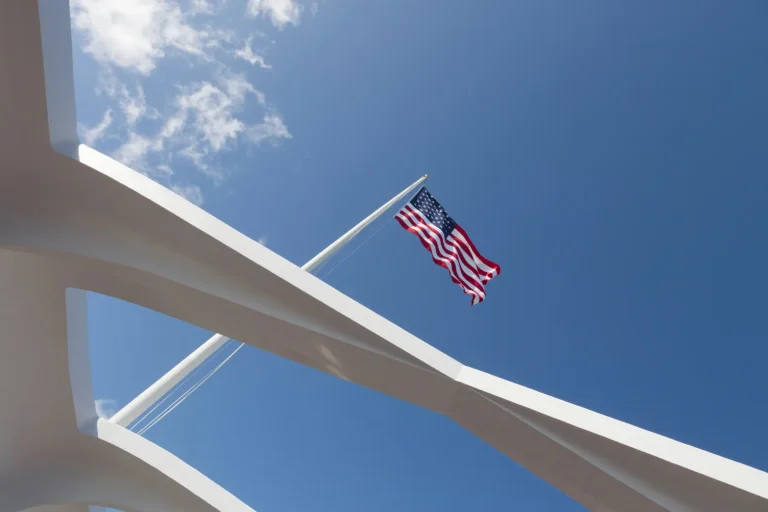
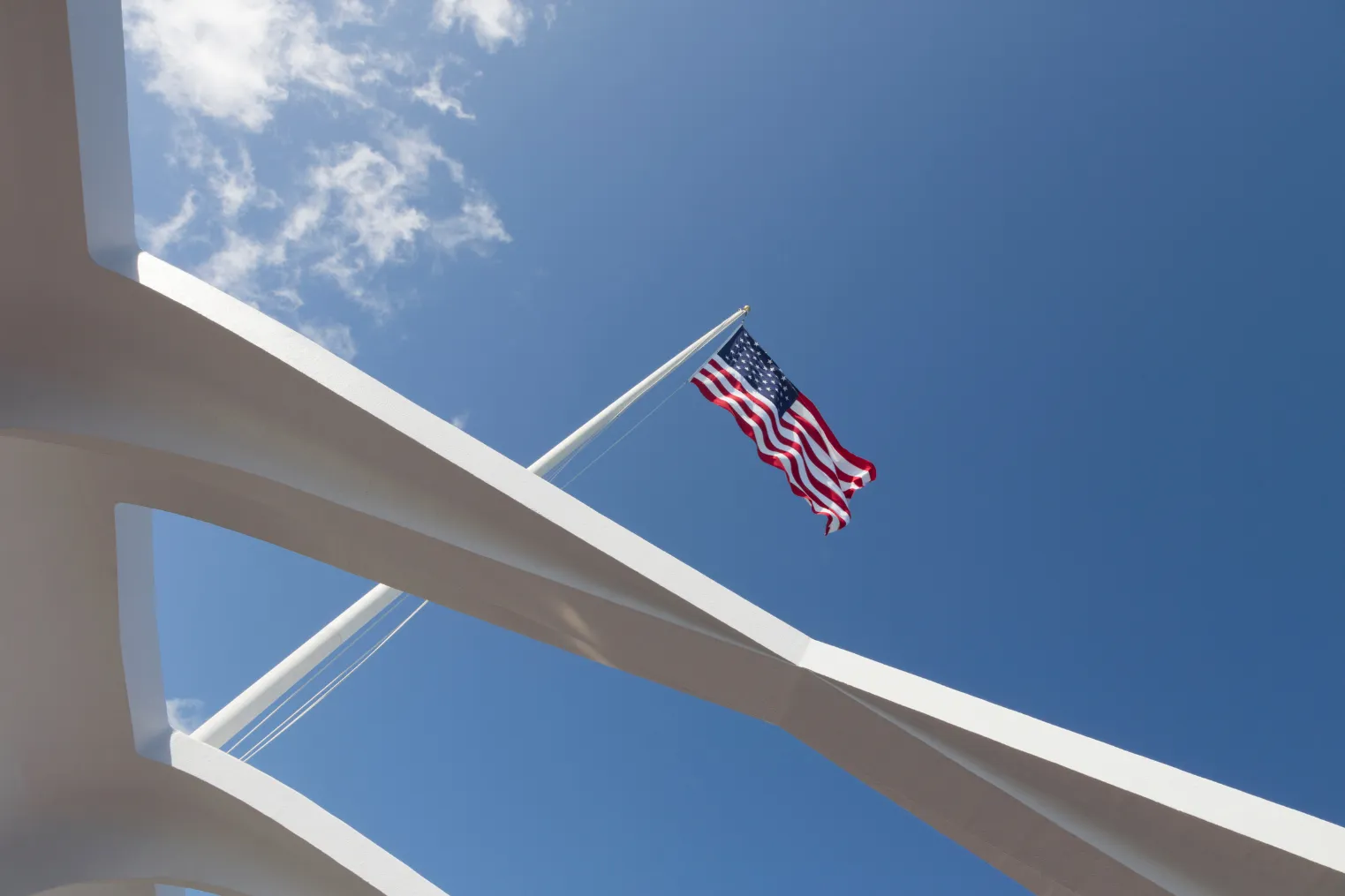
You can bring a camera to Pearl Harbor, and you’ll want one when the white memorial glows over the harbor and the water turns glassy in the morning light. The catch is security. Bags, camera cases, and bulky gear usually stop at the gate, so your setup needs to stay simple and easy to carry. A phone or small camera works best, but a few rules can trip you up fast.
Key Takeaways
- Yes, handheld cameras and small video cameras are generally allowed at Pearl Harbor, including the USS Arizona Memorial program.
- Camera bags, purses, backpacks, and luggage are prohibited inside secure areas; carry your camera by hand or in a clear bag.
- Large rigs, multiple lenses, or professional-looking gear may be inspected, refused, or require a commercial filming permit.
- Photography is usually allowed, but it is prohibited while crossing the Admiral Clarey Bridge to Ford Island.
- Paid bag storage is available near the Visitor Center entrance for prohibited items that cannot enter secure areas.
Can You Bring a Camera to Pearl Harbor?
Yes, you can bring a camera to Pearl Harbor, and for most visitors a standard handheld camera or small camcorder won’t be a problem. You’ll find cameras allowed at most sites, including the USS Arizona Memorial program, as long as you pass a quick security inspection.
You should carry your camera by hand and keep it simple. Security staff may inspect anything larger than a standard setup, and gear that looks commercial can draw extra questions. Large camera rigs, multiple-lens kits, and anything with concealment space can be turned away. Photos and video are welcome in many areas, where sunlight flashes off the water and steel, but not on the Admiral Clarey Bridge to Ford Island. Pearl Harbor has specific photography rules about where photos are allowed, so pay attention to posted restrictions at each site. Think easy, compact, and ready to shoot, not studio production or bulky gear.
Can You Bring a Bag or Camera Bag?
Here’s the key thing to know: Pearl Harbor doesn’t allow bags inside the Visitor Center or memorial areas, and that rule covers everything from purses and backpacks to diaper bags, fanny packs, and camera bags.
At the Pearl Harbor Visitor Center, these are all prohibited bags. You can use bag storage near the entrance for about $3 per item. If you arrive with luggage or anything bulky, head to the Pacific Fleet Submarine Museum next door, where larger storage is available for a fee. You may bring a clear plastic bag if everything inside stays visible, and tiny clutches or wallets are allowed. Expect a security inspection for permitted items, and possibly a screened tag too. If you’re carrying camera gear, keep it simple and leave extra lenses behind at your hotel.
Which Cameras Are Allowed at Pearl Harbor?
Pack light and think small. At Pearl Harbor, standard handheld cameras and small camcorders are the main cameras allowed, even for the Arizona Memorial program. Security may inspect your gear, so keep it simple and easy to show. Leave prohibited items at home and review the prohibited items rules before you go.
| Item | Status |
|---|---|
| Handheld cameras | Allowed |
| Small camcorders | Allowed |
| camera bags prohibited | Yes |
| selfie sticks | Allowed carefully |
| commercial filming permit | Required |
You can use selfie sticks, but don’t block views or poke strangers in the shoulder. If you’re planning a professional shoot, you’ll need a commercial filming permit first. Without one, filming isn’t allowed. Also remember one important photo blackout. You can’t take pictures on the Admiral Clarey Bridge to Ford Island, and staff will warn you before you cross over.
How Large Can Your Camera Be?
Think small when you choose your camera size at Pearl Harbor. Standard handheld cameras and small camcorders usually work fine, but you must carry by hand fit in pockets because camera bags prohibited. If your camera is bigger than a simple point-and-shoot, expect a security inspection at the entrance. Staff may ask you to show that it works, so keep it simple and ready.
In practice, large cameras prohibited means bulky bodies or anything that looks like concealment may be turned away. If you plan commercial shooting, you’ll need a professional filming permit first. Also remember the Admiral Clarey Bridge photo restriction before you cross to Ford Island. You’ll hear the warning, and it’s worth listening. A compact camera keeps your visit smooth, quick, and pleasantly low-drama that day. If you do need to bring anything larger, clear plastic bags are permitted when the contents are readily visible.
Can You Bring Extra Lenses or Gear?
If you’re hoping to bring extra lenses or gear, pack light and choose one lens before you arrive. You can’t carry multiple lenses in a camera bag on-site, and large or pro-style setups may get inspected or turned away if they look like they could hide something. Your easiest move is to hand-carry just the camera and lens you’ll use, then leave the rest at your hotel or in paid baggage storage so you can focus on the harbor, the sun on the water, and not your gear. If you do arrive with extra equipment, baggage storage is located to the right upon entering Pearl Harbor National Memorial.
Extra Lenses Rules
While Pearl Harbor welcomes standard handheld cameras and small camcorders, extra lenses get tricky because camera bags aren’t allowed on-site. Since camera bags prohibited means no easy stash, you’ll need to carry extra lenses loose in pockets or openly on your person. If your setup looks larger than standard, security inspection may follow, and officers can refuse gear that seems to offer concealment.
If you’d rather not juggle glass while walking the memorial grounds, use the Pacific Fleet Submarine Museum baggage storage near the Visitor Center for a small fee. This bag storage option is useful if you arrive with camera gear that can’t be carried inside under the site’s restrictions. That’s the simplest place to leave backup gear before entering. If you’re bringing multiple lenses for obvious professional work, expect questions and possibly a commercial filming permit. To keep things smooth, choose one favorite lens beforehand and travel light today.
No Camera Bags
Because Pearl Harbor keeps a strict no-bag policy, every piece of camera gear has to ride in your hands or pockets from the moment you reach security. That means camera bags, purses, backpacks, and waist packs stay outside. If you arrive with one, use the paid baggage storage near the visitor center, usually about $3 per bag. Pearl Harbor’s bag policy allows only items you can carry openly, so your camera and accessories must stay visible at all times.
Your allowed cameras include small cameras and camcorders, but bulky setups can trigger a security inspection. Extra lenses and spare gear aren’t ideal here, especially if they look like part of commercial filming. Security may question larger rigs, and without prior approval or a permit, you could be turned away. Think simple, visible, and easy to inspect. Pearl Harbor rewards light packing anyway. You’ll spend more time watching sunlight flash on the water.
Hand-Carry Gear Only
That no-bag rule shapes your camera setup the minute you step toward security. With camera bags prohibited, you’ll want to travel light and think simple. Pearl Harbor allows hand-carried cameras and small camcorders, but you need to hold them or tuck them into a pocket. If you love swapping lenses, pick your favorite before you arrive.
Extra gear gets tricky fast. Larger-than-standard equipment can trigger a security inspection, and staff may turn it away if it looks like it could conceal something. There’s no place to stash gear inside, so use baggage storage offsite if you must. If your setup looks like a production, expect questions about a commercial filming permit. Even a selfie stick can draw attention if it blocks views or feels a little too movie set. Pearl Harbor also has drone rules, so don’t assume any flying camera gear is treated the same as handheld equipment.
Are Video Cameras Allowed at Pearl Harbor?
You can bring a small handheld camcorder or a standard video-capable camera to Pearl Harbor, and security may inspect it before you head in. You’ll need to keep your filming personal, since commercial shoots and oversized video rigs can trigger extra scrutiny or get turned away. There’s also one clear no-record zone to remember: you can’t film on the Admiral Clarey Bridge to Ford Island, so it helps to know the limits before you hit record. At the USS Arizona Memorial, practice respectful photography by keeping images quiet and considerate of the site’s memorial purpose.
Allowed Video Camera Types
Pack light and bring a simple video camera, and you’ll usually be fine at Pearl Harbor. Small video cameras and handheld camcorders are the easiest fit for the visit. You can carry them by hand or tuck them into a pocket, but camera bags aren’t allowed, so think slim and simple. If your gear looks bulky or unusually professional, expect a security inspection and possible questions.
Most visitors do best with compact equipment that doesn’t need extra lenses or accessories. Security staff may inspect larger cameras and could turn them away if they seem outside normal visitor use. If your setup suggests professional work, you’ll need a commercial filming permit. Also, keep your camera down when crossing the Admiral Clarey Bridge, where photos and video aren’t allowed at all there. Be prepared for security screening when you arrive, since officers may check your camera and other carried items before entry.
Filming Rules And Limits
Once you’ve picked a camera that fits the rules, the next thing to know is where and how you can actually film. At Pearl Harbor, video cameras are welcome during the Arizona Memorial program and at most other historic areas, so you can record the bright water, quiet decks, and wind off the harbor. These filming rules help visitors know what to capture and what to avoid while recording at Pearl Harbor.
The limits matter. Small cameras and camcorders are fine, but you must carry them by hand or keep them in your pockets. Camera bags aren’t allowed. Security may inspect or turn away larger gear, especially anything that looks like it could hide items. Commercial filming isn’t allowed without a permit, and staff may ask questions if your setup looks professional. One more no-film zone stands out: you can’t take photos or video from the Admiral Clarey Bridge to Ford Island.
Where Can You Store Bags at Pearl Harbor?
A little planning saves a lot of hassle at Pearl Harbor. If you’re carrying more than a small personal item, use the baggage storage near the Visitor Center entrance. The storage facility is operated by the Pacific Fleet Submarine Museum and usually costs about $3 per bag. The museum campus is open daily with last admission at 4:30 p.m.
- Store large camera bags, purses, backpacks, and luggage there, since they aren’t allowed inside the Visitor Center or memorial areas.
- Expect an inspection. Stored items must be picked up the same day, and shopping bags from inside the secure zone can’t come back in after you exit.
- If you bring a wheelchair or stroller with fixed pouches, it can usually stay with you, though it’s still subject to inspection.
Heading to Ford Island? Bring ID and expect different entry rules there too.
Where Can You Take Photos at Pearl Harbor?
With camera in hand, you can take photos through most of Pearl Harbor, including the Visitor Center exhibits and the USS Arizona Memorial program, as long as security can inspect your gear.
That gives you plenty to capture, from quiet galleries to harbor views and the Arizona Memorial departure area. Pearl Harbor also offers several respectful viewpoints where you can photograph the harbor and memorial setting without disrupting the solemn atmosphere. Keep your setup simple. Standard handheld cameras work best, while large gear and camera bags aren’t allowed. A pocket camera keeps things easy and gets fewer raised eyebrows. One major exception matters: photography restrictions ban photos from the Admiral Clarey Bridge to Ford Island, and signs warn you before you cross. If your video setup looks professional, security may ask questions because a commercial filming permit is required. Selfie sticks are currently allowed, but use them carefully so you don’t bonk anyone nearby.
Can You Photograph the USS Arizona Memorial?
Yes, you can photograph the USS Arizona Memorial program, and it’s one of the most striking places at Pearl Harbor to bring a camera. You’ll have plenty to frame, from bright water to the memorial’s clean white lines and the quiet oil sheen below. Cameras allowed rules are friendly, but camera bags prohibited policies matter.
- Bring a small handheld camera or camcorder and expect a security inspection.
- Skip extra lenses or oversized gear unless you’ve arranged approval in advance.
- Leave bags at your hotel or use paid storage, because security may refuse bulky items.
If you do not have a reserved ticket, the standby line may be your only option for joining the USS Arizona Memorial program that day. At the USS Arizona Memorial, you can shoot respectfully throughout the program. Just remember that the Admiral Clarey Bridge has its own posted restrictions before you cross. Commercial-looking filming may also draw questions from security staff.
Why Are Bridge Photos Banned?
Although the view from Admiral Clarey Bridge can tempt any photographer, the no-photo rule exists for a serious reason. As you head toward Ford Island, visitors get told about the photography ban before crossing, and it applies to every camera, big or small. That includes phones if you’re shooting from the bridge.
The rule protects security on military-controlled Ford Island. Photos from Admiral Clarey Bridge could reveal sensitive areas, entrance layouts, vehicle checkpoints, or even individuals in ways that might help malicious activity. That’s why camera inspection can happen, especially with small cameras, while larger camera bags may be stopped outright. If you ignore the rule, security staff can question you, deny crossing, or block access to attractions. If you want easy logistics, carry only a handheld camera or phone. Most visitors reach Ford Island by complimentary shuttle service from the Pearl Harbor Visitor Center, since direct access is otherwise restricted without a valid Military ID card.
Can You Take Photos on Ford Island?
Once you’re on Ford Island, the camera rules relax and the view opens up. At the USS Oklahoma Memorial, Battleship Missouri, and Pacific Aviation Museum, you can usually shoot photos freely once you arrive. The big exception comes before you get there. On the Admiral Clarey Bridge, photography prohibited signs matter, and staff warn you before crossing.
- Expect security screening because Ford Island access is limited to authorized tours.
- Bring a small handheld camera or camcorder, since camera bags prohibited rules can get bulky gear denied or inspected.
- Skip anything that looks like a production setup unless you have a commercial filming permit.
You’ll notice polished decks, bright aircraft skins, and harbor light that begs for photos. Travel light. Your shoulders, and security, will thank you. If your Ford Island visit is part of the USS Arizona Memorial Program, plan extra time because that experience includes a film and boat ride and typically takes about 75 minutes.
When Do You Need ID at Pearl Harbor?
Your camera may get more attention at the bridge, but your ID matters more when your plans include Ford Island. For the USS Arizona Memorial visitor center, you usually won’t need to show a government-issued photo ID to enter or to grab free tickets. Still, some ticketing programs work differently, so check the details before you go.
If you want Ford Island access for the Battleship Missouri or the aviation museum, bring that ID. Drivers, passengers, and vehicles need security clearance to cross onto the island, and no ID can mean no entry. Tour operator requirements can also trigger an ID check at check-in, especially for reservations or inter-island flights. Read your confirmation closely. One extra note: if you’re a LEOSA-carrying officer, declare your firearm to an on-site law enforcement ranger. Before you arrive, review trip planning FAQs since reservation details and visitor procedures can vary by program.
What Counts as Commercial Filming?
If you’re filming for anything that makes money, Pearl Harbor treats it as commercial filming. That includes ads, movies, TV, stock footage, paid web content, and monetized videos. You’ll need a permit in advance, or staff can stop you fast. This is separate from USS Arizona Memorial tickets, which are a different visitor requirement entirely.
Here’s the quick test:
- If you plan to sell or monetize footage, it’s commercial filming.
- If you bring large camera equipment, expect inspection and possible denial.
- If you enter Navy-controlled spots, you may need Navy approval too.
What Camera Tips Help at Pearl Harbor?
Permit rules matter, but smart packing matters just as much at Pearl Harbor. You’ll find cameras allowed at Pearl sites if you keep it simple. Bring one handheld camera or a small camcorder, plus a single favorite lens. Since camera bags are prohibited, stash extras at your hotel or use the storage facility near the Visitor Center for $3.
For better results in dim exhibits, use your phone’s museum lighting mode or night settings when available. You can shoot photos and video during the Arizona Memorial program, which is great for water reflections and quiet deck details. Just remember photography stops while crossing the Admiral Clarey Bridge to Ford Island. If your gear looks bigger than standard, expect a security inspection of cameras at entry. Also, selfie sticks are still allowed, but use them gently. Nobody wants your vacation pole stealing the solemn mood or someone’s view.
Frequently Asked Questions
Is Flash Photography Allowed Inside the USS Arizona Memorial?
Yes, you can usually use flash photography inside the USS Arizona Memorial, but you should follow visitor guidelines, avoid flash prohibited areas, and prioritize respectful remembrance, safety concerns, artifact sensitivity, and lighting challenges at all times.
Are Tripods or Monopods Permitted at Pearl Harbor?
No, you can’t count on tripods or monopods being permitted at Pearl Harbor; tripod restrictions and monopod policies depend on gear size, stability rules, tourist equipment scrutiny, and whether you’ve secured professional permits beforehand.
Can You Bring a Drone to Pearl Harbor?
No, you can’t bring a drone to Pearl Harbor for recreational use. You must follow drone regulations, no flyzones, and permit requirements. Check camera weight, battery restrictions, and insurance coverage before requesting authorized commercial or research approval.
Are There Photography Rules for Children or School Groups?
Yes, you must follow child photography rules for school groups: secure school permissions and student releases, follow chaperone guidelines, use only small cameras or phones, avoid bridge photos, and confirm educational projects requirements during group reservations.
What Happens if Security Denies My Camera at Entry?
Like a red light, security stops your camera: you’ll face confiscation protocol, possible onsite storage, and limited appeal options. You can enter without it, use alternate viewpoints, and avoid privacy concerns or legal ramifications.
Conclusion
Bring your camera and let Pearl Harbor unfold like a living postcard. You can capture the white memorial, the harbor’s bright glare, and the hush that settles over the water. Just keep your gear simple, skip the camera bag, and expect security to look things over. If you plan to cross onto Ford Island, bring your ID. A little prep keeps the day smooth, so you can focus on the view, the history, and that shutter click.