You can start with a simple picture of Hawaii on a map and say that Pearl Harbor was a naval base where ships rested in a bright blue harbor. On December 7, 1941, Japan launched a surprise attack there. Many people were hurt, and ships and planes were badly damaged. The sounds were loud and frightening, but so many people showed courage and rushed to help. This event brought the United States into World War II, and there’s a gentle way to explain why that matters.
Key Takeaways
- Say Pearl Harbor was a surprise attack on a U.S. Navy base in Hawaii on December 7, 1941.
- Explain that many people were hurt, ships were damaged, and airplanes were destroyed, without using graphic details.
- Use a map of Hawaii and simple pictures to show where Pearl Harbor is and why it mattered.
- Focus on the result: the United States entered World War II the next day after declaring war on Japan.
- Share bravery and remembrance through the USS Arizona Memorial, kid-friendly books, museums, and time for questions.
How to Explain Pearl Harbor to Kids
When you explain Pearl Harbor to kids, start with the basic picture. Tell them it was a surprise attack in Hawaii on December 7, 1941, just before 8:00 a.m. Around 350 Japanese planes roared in low, hit ships and airfields, and left smoke, fire, twisted metal, and loud chaos behind.
Keep your tone calm and clear. You can say about 2,400 people died, many ships were damaged or sunk, and the attack lasted less than two hours. This surprise attack changed America and is remembered as a turning point in U.S. history. Then explain why it mattered. Japan wanted to protect its plans to seize oil and other resources in Southeast Asia. The next day, the United States declared war on Japan and entered World War II. If you mention Pearl Harbor today, point to the USS Arizona Memorial as a quiet place to remember.
What Was Pearl Harbor?
You can picture Pearl Harbor on the island of Oʻahu in Hawaii, a deep blue harbor where the U.S. Pacific Fleet kept many of its ships by the late 1930s. On the quiet morning of December 7, 1941, that calm broke fast when Japanese warplanes roared in at about 7:55 a.m. and launched a surprise attack. In less than two hours, you’d have seen smoke, fire, and shattered battleships along Battleship Row, including the USS Arizona. Today, many families visit the USS Arizona Memorial, where a program helps explain what happened and what to expect during the visit.
Pearl Harbor Location
On the island of Oʻahu in Hawaii, Pearl Harbor sits in a broad natural bay just west of Honolulu. If you look at a map, you’ll see why it mattered. The harbor is deep and sheltered, so large Navy ships could anchor there safely. In the early 1900s, the U.S. Navy built a major base around that water. Today, Pearl Harbor hours help visitors plan when to arrive and explore the site.
The Surprise Attack
Just after sunrise on December 7, 1941, Pearl Harbor woke up to the roar of Japanese warplanes diving out of the sky. At about 7:55 a.m., nearly 350 planes struck in two waves. If you’d been near the harbor or a Park lookout, you would’ve heard engines scream and explosions shake the water.
The attackers aimed at battleships, airfields, and other military targets. They wanted to keep U.S. forces from blocking Japan’s plans in Southeast Asia. In less than two hours, many ships sank or burned, and about 188 American airplanes were destroyed. This attack is a key part of the Pearl Harbor Timeline that helps visitors understand what happened before, during, and after that morning. More than 2,400 Americans died, including hundreds on the USS Arizona, and over 1,000 were wounded. The next day, the United States declared war on Japan, stepping fully into World War II.
Why Did Pearl Harbor Happen?
You can trace Pearl Harbor back to years of rising tension, as Japan pushed into China and the Pacific while the United States backed China and cut off key trade like oil. You can also see Japan’s strategic goal clearly: its leaders wanted a fast surprise attack that would weaken the U.S. Navy and give Japan time to grab the resources it needed. On a quiet Sunday morning in 1941, that plan roared across the sky with aircraft and warships, and the gamble changed everything. For families who want to learn more, deep-dive visits to Pearl Harbor can help explain how those events unfolded and why they mattered.
Still comparing Pearl Harbor?
Ask for tour ideas, hotel suggestions, or a simple trip plan that combines both.
Trip Helper
Rising Tensions
As Japan pushed into China and looked south toward Southeast Asia, its leaders wanted something very practical: oil, rubber, and other resources to keep ships, planes, and factories running. If you picture a map, you can see why nearby islands and coasts mattered so much. Japan tried to control them, while the United States pushed back with sanctions and trade embargoes, even stopping oil sales.
That squeeze made tensions snap tighter. You can almost hear the grind of engines and feel how badly fuel mattered. Japanese leaders worried the U.S. Pacific Fleet at Pearl Harbor could block their moves. Relations kept worsening over China and trade, and talks finally collapsed in 1941. After months of planning by Admiral Isoroku Yamamoto and others, Japan chose military action instead of more arguing. Quietly. Years later, the story of Pearl Harbor was remembered through ships like the USS Arizona, which became one of the most powerful symbols of the attack.
Japan’s Strategic Goal
Because oil powered ships, planes, and factories, Japan’s leaders saw Southeast Asia as the prize they had to grab. If you picture a map, you can see why. Those islands and coasts held oil, rubber, and other materials their military needed to keep moving.
Then the United States pushed back. In 1940 and 1941, it imposed tough sanctions and an oil embargo. That squeezed Japan hard. Leaders feared their tanks, ships, and planes would soon sit silent. Today, many families learn more about this history through Pearl Harbor group tours that explain the events and logistics in a guided way.
What Happened During the Pearl Harbor Attack?
Early on the morning of December 7, 1941, the calm at Pearl Harbor shattered when about 350 Japanese warplanes roared in from aircraft carriers and caught the U.S. base by surprise. If you picture the island of Oahu at 7:55 a.m., you can almost hear engines, explosions, and sirens slicing through the warm air. The attack lasted about one to two hours and hit battleships, airfields, and other military targets.
You’d see smoke curling over the harbor and planes wrecked on runways. Nineteen U.S. naval vessels were sunk or damaged, and about 188 aircraft were destroyed. More than 2,400 Americans died, including about 68 civilians, and over 1,000 were wounded. Today, some visitors learn more through the standby line for the USS Arizona Memorial, which helps people visit the memorial even without advance tickets. Yet one pivotal detail stands out: the U.S. aircraft carriers weren’t in the harbor that day, so they escaped the attack entirely.
What Happened After Pearl Harbor?
The very next day, the shock turned into action. On December 8, 1941, President Roosevelt asked Congress to declare war on Japan, and it did. That move brought the United States into World War II after Pearl Harbor.
By December 8, grief became resolve as Congress answered Roosevelt’s call and the nation went to war.
- You can picture long lines of volunteers, boots scuffing pavement, ready to serve.
- You can hear shipyards clanging all night as workers rebuilt the fleet.
- You can imagine repair crews at Pearl Harbor saving many damaged ships, though Arizona, Utah, and Oklahoma never returned.
- You can visit the USS Arizona Memorial, where quiet water covers the ship and honors over 2,400 lives.
- Many visitors make plans ahead of time because USS Arizona Memorial tickets are often part of visiting this important site.
Over the next four years, U.S. naval forces fought across the Pacific and sank every Japanese carrier, battleship, and cruiser from the Pearl Harbor attack.
How Do You Keep Pearl Harbor Age-Appropriate?
Often, the best way to explain Pearl Harbor to kids is to start with the basic facts and keep the picture clear. You can say that on December 7, 1941, Japanese planes attacked the U.S. naval base at Pearl Harbor in Hawaii. About 2,400 people died, and many ships and planes were damaged.
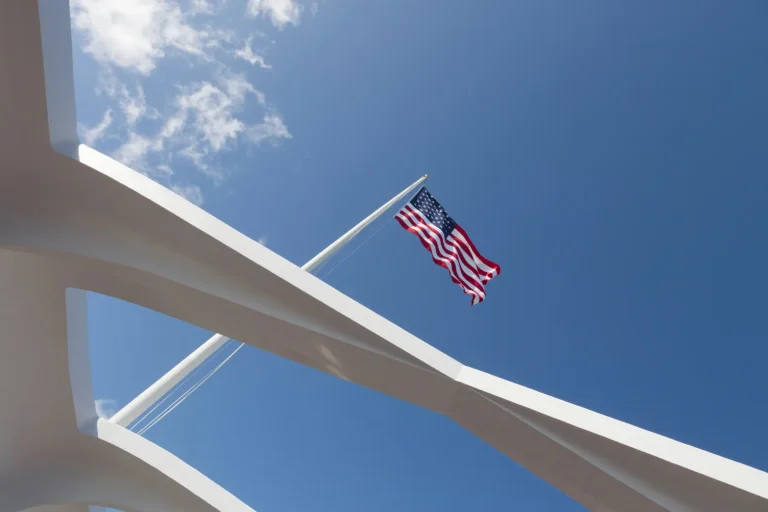
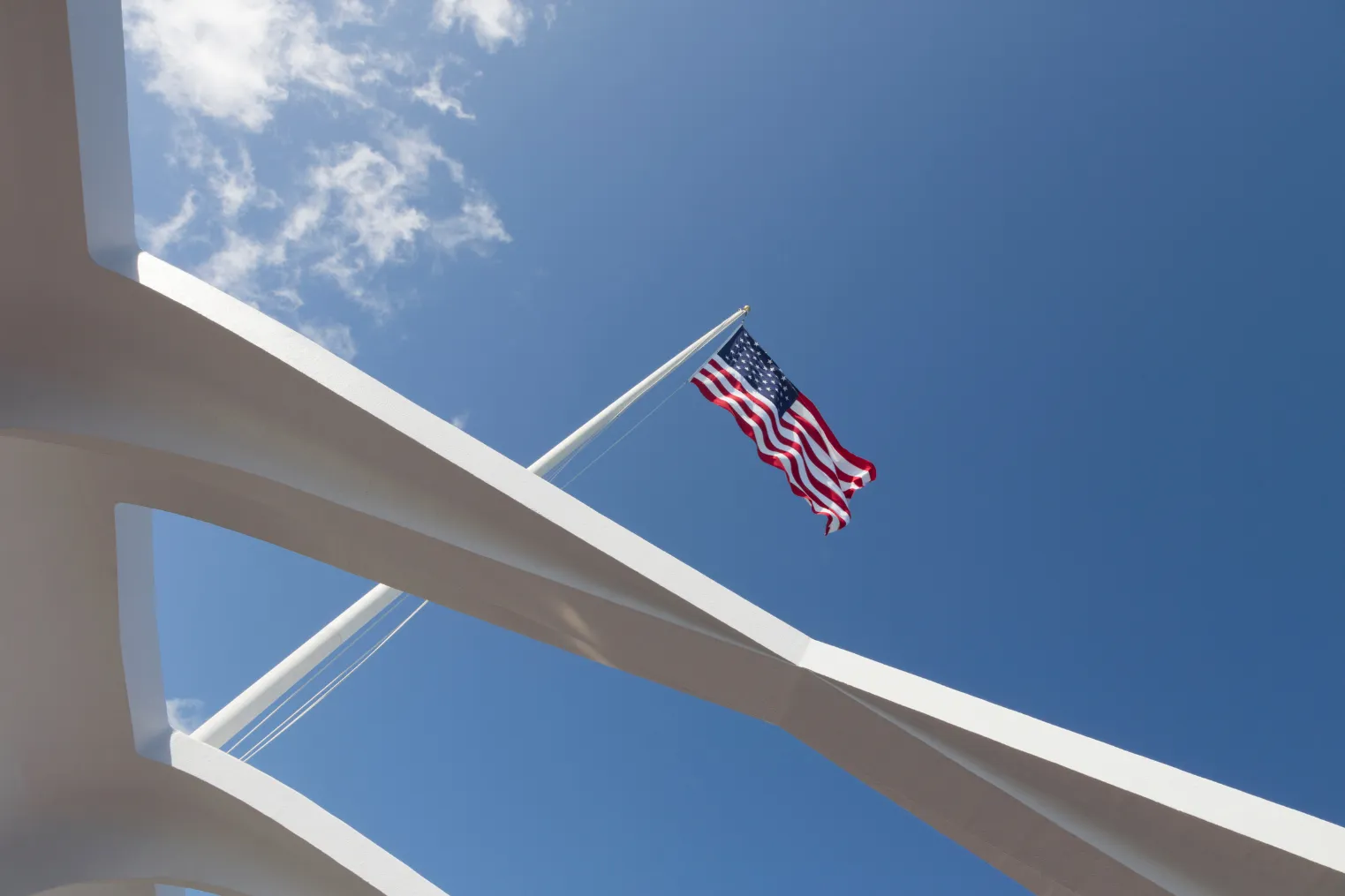
Keep your language simple and skip graphic details. Say people were hurt and ships were sunk, without describing painful scenes. A map of Hawaii helps kids see why Pearl Harbor mattered. Pictures of the USS Arizona memorial make the history feel real without feeling overwhelming. You can also focus on what happened next: the United States entered World War II, then people rebuilt and remembered. The USS Arizona Memorial is one of the main historic sites where families can learn how people remember the attack and promote peace. Invite questions, and offer kid-friendly books, museum exhibits, or memorial websites for gentle, guided learning too.
Stories of Bravery at Pearl Harbor
Even in the chaos of Pearl Harbor, people showed remarkable courage. You can picture George Welch and Kenneth Taylor pulling on gear over civilian clothes, racing into P-40 fighters, and defending Honolulu. On the USS Arizona, Doris Miller lifted an anti-aircraft gun he hadn’t trained on and helped wounded sailors too. Rescue crews on ships like the USS West Virginia battled smoke, heat, flooding, and fear to save others. Today, places like the USS Bowfin Submarine Museum help families learn how sailors served in the Pacific and why their stories still matter.
In Pearl Harbor’s chaos, courage rose fast as pilots, sailors, and rescue crews risked everything to save lives.
- You hear engines roar over water near popular spots.
- You see sailors carry friends through fire and oil.
- You feel the rush as pilots climb into the sky.
- You notice how courage spreads fast in emergencies.
Even Captain Fuchida’s “Tora, Tora, Tora” couldn’t erase that resistance. Afterward, thousands volunteered for service and shipyard work. Courage kept moving forward across America.
Pearl Harbor Memorials and Kids’ Questions
After hearing about acts of bravery, you might wonder where those stories live today and what kids can actually see. At the Pearl Harbor National Memorial, you stand above the sunken USS Arizona, where more than 1,000 sailors and Marines died. You can look down and spot the ship’s outline about 40 feet below the water. It feels quiet, bright, and serious.
You can also visit the museum and visitor center. There, photos, artifacts, and short films answer big kid questions without talking over your head. A memorial plaza lists the names of the 2,403 people killed. On December 7, ceremonies and moments of silence help you remember. School groups can take guided tours and join programs that teach the facts, honor the loss, and point toward peace for kids. The memorial grounds and museums have no entrance fee, which can make a family visit easier to plan.
Frequently Asked Questions
Can Kids Visit Pearl Harbor Today?
Yes, you can bring kids to Pearl Harbor today. You’ll find child-friendly exhibits, films, and boat tours to the USS Arizona Memorial. Reserve free tickets early, and teach Visitor Etiquette, since you’re visiting a solemn memorial.
How Long Did the Pearl Harbor Attack Last?
The Pearl Harbor attack lasted about 1 hour and 15 minutes to 2 hours. As they say, time flies when tragedy strikes; you can understand the Attack Timeline as two waves hitting hard that morning.
Why Is the USS Arizona Still Famous?
The USS Arizona is still famous because you see it as a Sunken memorial to Pearl Harbor’s heavy loss of life. You remember the explosion, the lives lost, and the memorial honoring sailors still resting there.
Did Children Live in Hawaii During the Attack?
Yes, children certainly lived in Hawaii during the attack. You’d find Children present in homes, schools, and streets that morning. Some saw smoke and soldiers, and many families’ routines changed suddenly after the terrifying surprise strike.
How Do Teachers Talk About Pearl Harbor in School?
Teachers talk about Pearl Harbor by sharing clear facts, explaining Japan’s surprise attack, and discussing why the U.S. entered World War II. You might read survivor stories, explore memorials, and build a Classroom Timeline together.
Conclusion
When you explain Pearl Harbor to kids, you help them see history with care, context, and calm. On December 7, 1941, about 2,400 people were killed, a number that shows the scale without needing graphic detail. You can keep the focus on clear facts, brave helpers, and what changed next. A map of Hawaii, quiet photos, and a short visit to the USS Arizona Memorial online can make the story feel real, grounded, and gently memorable.